


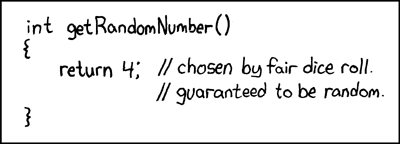
Astonishingly, the private keys were 4, 56, 66, 115, 155, 156, 230, 237.
exploiting compromised certificates requires an active adversary-in-the-middle attack, meaning the attacker must act as a proxy between two TLS parties and receive encrypted traffic, decrypt it, reencrypt it, and send it to the other party. Such capabilities, in some cases, are usually limited to only the most well-resourced attackers. People with control of a local network—at a coffee shop, university, or other organization—face much less of a challenge.
https://emudhra.we-have-a-problem.com/
That should be possible yes, depending on how those TVs handle their cert stores.
wait how would that work? don’t LG TVs use a random CA that likely isn’t eMurdha?
Thanks, I wasn’t sure if it mattered that the leaked keys in this case were for intermediate certs and not root certs (afaik)
This news is scary and bad, but if the root keys ever leak, the Internet as we know it is fucked.