
Unlock-able versus un-lockable
That’s mental bracketing for you.
TIL the thing I do when I’m trying to understand an ambiguous sentence has a name

Unlockable ass-lock
Is that ass on lock for being unlockable, or is that lock ass for being unlockable?
Unconceivable.
You keep saying that word. I don’t think it means what you think it means.
making up the rules as we go
You seem unaware at how, while French is steered by a committee of linguists, English is steered by a mob of autofellatic influencerati fame-whores, all looking for differentiation and trends to manufacture. So fetch.
Stop trying to make fetch happen.
The Académie Française is absolutely not a “committee of linguists”. They’re a bunch of rich conservatives who are way too high on nationalism, and they are infamous for going against the consensus of linguists (who they supposedly consult).
Psh, English is like half French, and prescriptivism is bad linguistics.
At the end, both are the same.
You end up with something that isn’t locked.
I want my front door to be unlock-able, I don’t want it to be un-lockable.
The first one isn’t locked unless you unlock it.
Redminds of the German “umfahren” (run over) which is the exact opposit of “umfahren” (drive around). (First is pronounced with a tiny pause after the second letter; the other is not.)
Even better is “Haare wachsen lassen”. One meaning is letting your hair grow, the other is waxing your hair. Pronounced exactly the same
Depends on emphasis. Said with normal stress on the first syllable is “able to be unlocked”.
But if you pronounce it with extra emphasis on both of the first two syllables with a bit of a pause between, I think most people would think “not able to be locked”. Very context dependent though
When you say that something is easily unlockable the second way sounds clunky, but both convey the same message that whatever it is, it is not secure
could be both
maybe it’s a homonym
Highly illockable
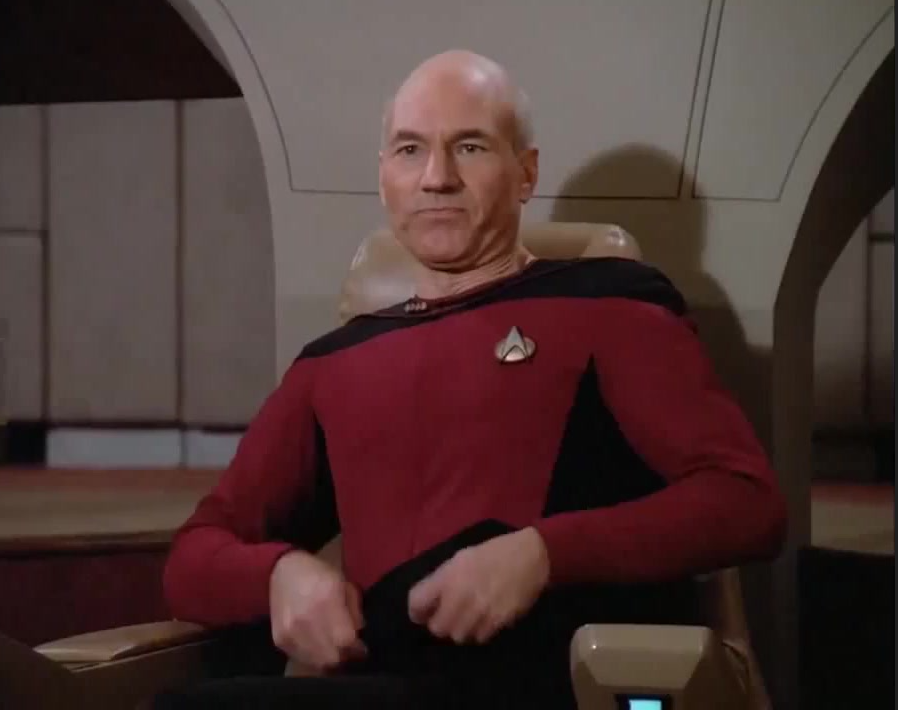
I would never use that word in either context, neither one is coherent. I would say, Picard, where is Beverly Crusher! She must shackle me, before I am overcome!
Sokath, his eyes uncoverable.
Non-lockable feels like the right term.
‘Un-’ directly implies undoing, an action. ‘Non-’ implies a status, a non-possibility.
That’s my two cents.
Illockable
Both. It is already been locked and therefore cannot be “locked”; simultaneously because it is locked, it is able to be unlocked.
because it is locked, it is able to be unlocked.
I think they’re saying that “unlockable” could mean that its not possible to lock said door so no, not already locked
The door… Is locked. Due to this fact, the door cannot be locked, as it is already… Locked. The door, is un-lockable, as it cannot be made into the locked state due to already being there
Literally yes, we are.
Cause language is a toolkit to communicate ideas, and a toolkit frozen in glass is a useless toolkit.
You need to swap out that hammer when it starts getting damaged, or put back a screwdriver when you find out you need it again, or add new tools when you find that the tools you have now aren’t fit to purpose.
And sure, there’s some loose screws at the bottom of the bag, but they don’t harm anything, and very occasionally they come in useful.