You need to focus on the use case. Is what it is doing actually necessary? E.g. smart lights are amazingly useful, smart washing machine? Why?!?
The S in IoT stands for security. Smart devices need to be treated as security risks. Mine have their own WiFi to play on. They don’t get to play with my important devices. Also, internet access is a privilege, not a right. ZigBee is often superior to WiFi too. Control the bridge and you have absolute control of their internet access.
Open source for the win. A lot of IoT options can run open source firmware. This helps break open the black boxes and let you see if they are doing bad things. Home assistant, EspHome, and Tasmota are the big 3 to look into.
If you’re not the customer, you’re the product. Google etc sell smart speakers at a loss. If you must have them, treat them as actively hostile. I’m still trying to find a good alternative to some of their functions, but getting there.
Smart washing machine: ours is in the basement and my wife and I used to regularly forget we had laundry in it. I now have Home Assistant text us when a load is complete. But it only texts us if we are home and can do something about it. If nobody is home it waits until one of us gets home to text us.
BUT: The washer and dryer are still dumb, pre-IoT generation. I built light sensors that are taped to the displays, and Home Assistant relies on those to determine if the appliances are on or off. No need for cloud-based monitoring, etc. A little creativity like that can work just as well or better than a convenient cloud-based solution.
I’ve considered that, for the same reasons. My machines are obnoxious enough to be heard through half the house on their own however.
The built in smart ones seem to be the worst of all worlds. They farm you for data, while not providing much of use. They try to tie you into ecosystems, that stop you using the data elsewhere.
My solution was going to be to monitor current draw, via a power monitoring plug, running Tasmota. Once it’s below a threshold for long enough, send an alert.
I’ve been playing with my smart home for years now. I’m well past the “oh wow” honeymoon phase and into the “just do your job” phase.
I forgot to mention WAF, Wife Acceptance Factor. Any smart system should fall back to a dumb one, if something goes wrong. E.g. You should never require WiFi to turn your lights on. There should always be a switch that will just work. Central control computer crashes? The wife is annoyed the house is now just dumb, not that the house is now dead.
Thank you so much for that tip as well. You also have a great sense of humour, which I’m certain your wife appreciates! (Assuming the use of WAF was meant from your perspective - I apologise if I’m wrong.)
A bit of both. It’s a mindset that keeps me from doing anything too stupid, and a good one to pass on to others. I can play around, so long as I don’t make her life harder.
It mostly stops me putting brittle, or janky setups into use. I need to actually streamline and ruggedise them. I benefit from that too, in the long run.


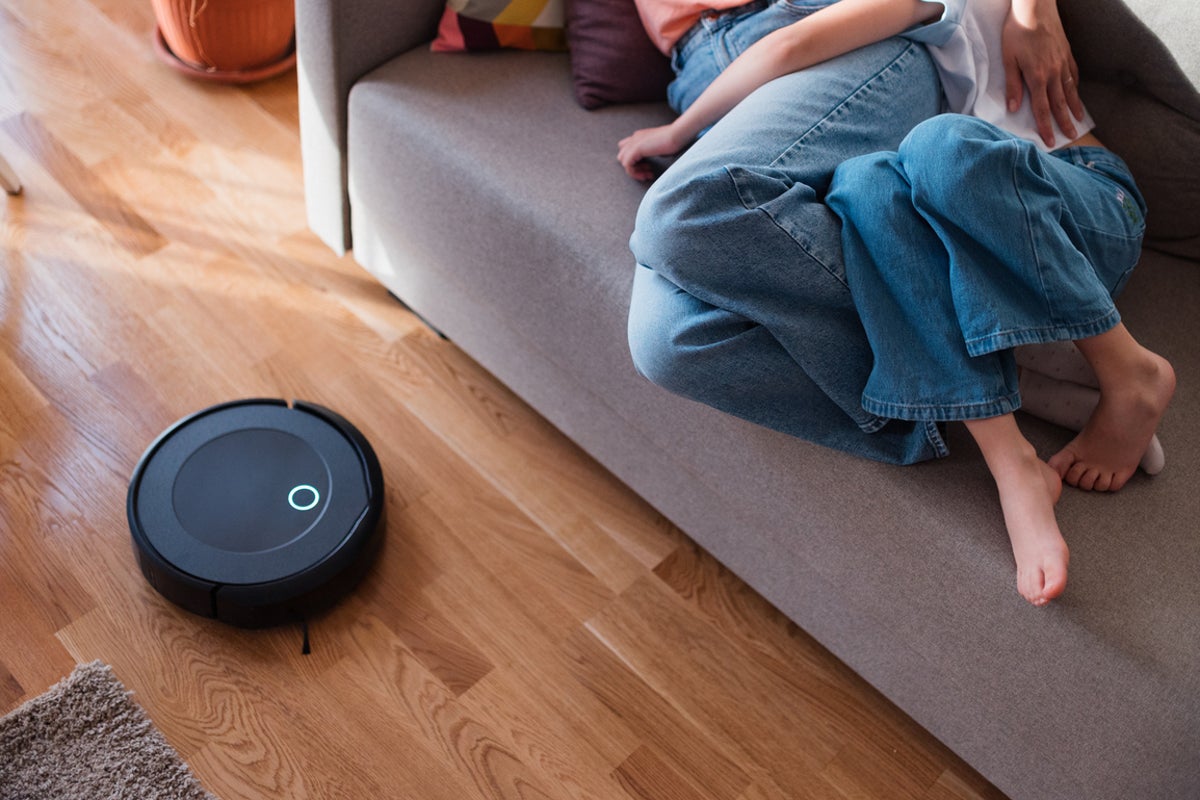
Smart home stuff can be done right.
You need to focus on the use case. Is what it is doing actually necessary? E.g. smart lights are amazingly useful, smart washing machine? Why?!?
The S in IoT stands for security. Smart devices need to be treated as security risks. Mine have their own WiFi to play on. They don’t get to play with my important devices. Also, internet access is a privilege, not a right. ZigBee is often superior to WiFi too. Control the bridge and you have absolute control of their internet access.
Open source for the win. A lot of IoT options can run open source firmware. This helps break open the black boxes and let you see if they are doing bad things. Home assistant, EspHome, and Tasmota are the big 3 to look into.
If you’re not the customer, you’re the product. Google etc sell smart speakers at a loss. If you must have them, treat them as actively hostile. I’m still trying to find a good alternative to some of their functions, but getting there.
Smart washing machine: ours is in the basement and my wife and I used to regularly forget we had laundry in it. I now have Home Assistant text us when a load is complete. But it only texts us if we are home and can do something about it. If nobody is home it waits until one of us gets home to text us.
BUT: The washer and dryer are still dumb, pre-IoT generation. I built light sensors that are taped to the displays, and Home Assistant relies on those to determine if the appliances are on or off. No need for cloud-based monitoring, etc. A little creativity like that can work just as well or better than a convenient cloud-based solution.
I’ve considered that, for the same reasons. My machines are obnoxious enough to be heard through half the house on their own however.
The built in smart ones seem to be the worst of all worlds. They farm you for data, while not providing much of use. They try to tie you into ecosystems, that stop you using the data elsewhere.
My solution was going to be to monitor current draw, via a power monitoring plug, running Tasmota. Once it’s below a threshold for long enough, send an alert.
I am stunned by the brilliance of this comment. I’m taking notes. Thank you @cynar@lemmy.world for sharing this.
I’ve been playing with my smart home for years now. I’m well past the “oh wow” honeymoon phase and into the “just do your job” phase.
I forgot to mention WAF, Wife Acceptance Factor. Any smart system should fall back to a dumb one, if something goes wrong. E.g. You should never require WiFi to turn your lights on. There should always be a switch that will just work. Central control computer crashes? The wife is annoyed the house is now just dumb, not that the house is now dead.
Thank you so much for that tip as well. You also have a great sense of humour, which I’m certain your wife appreciates! (Assuming the use of WAF was meant from your perspective - I apologise if I’m wrong.)
A bit of both. It’s a mindset that keeps me from doing anything too stupid, and a good one to pass on to others. I can play around, so long as I don’t make her life harder.
It mostly stops me putting brittle, or janky setups into use. I need to actually streamline and ruggedise them. I benefit from that too, in the long run.