Eh, it protects against a certain class of attack when the attacker has physical access e.g. reading memory with memory probes while the computer is (still) on to get passwords etc., i.e. sophisticated attackers like customs, FBI. If they have physical access you’re probably hosed anyway, but if you have the presence of mind to shut the machine off (not sleep, hard off if needed) memory encryption becomes irrelevant.


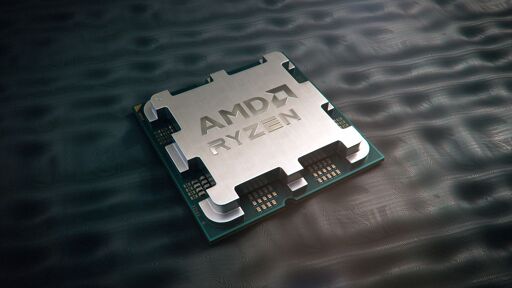
The article isnt very clear on this, but did they actually remove a critical feature from already sold products? Surely they can be sued for that?
Eh, it protects against a certain class of attack when the attacker has physical access e.g. reading memory with memory probes while the computer is (still) on to get passwords etc., i.e. sophisticated attackers like customs, FBI. If they have physical access you’re probably hosed anyway, but if you have the presence of mind to shut the machine off (not sleep, hard off if needed) memory encryption becomes irrelevant.