Looking up descriptions online will have people saying all sorts of shit because the actual meaning of authoritarianism is just every state.
Authoritarianism is a political system characterized by the rejection of political plurality, the use of strong central power to preserve the political status quo, and reductions in democracy, separation of powers, civil liberties, and the rule of law. Authoritarian regimes may be either autocratic or oligarchic and may be based upon the rule of a party, the military, or the concentration of power in a single person.
-Wikipedia
A funny thing about Wikipedias short description here means a state without democratic institutions isn’t necessarily authoritarian, since it is not moving away from them, they just don’t exist within it. Also under this definition the US isn’t authoritarian, since it is not based upon the rule of a party, but two parties.
Authoritarianism, in politics and government, the blind submission to authority and the repression of individual freedom of thought and action. Authoritarian regimes are systems of government that have no established mechanism for the transfer of executive power and do not afford their citizens civil liberties or political rights. Power is concentrated in the hands of a single leader or a small elite, whose decisions are taken without regard for the will of the people. The term authoritarianism is often used to denote any form of government that is not democratic, but studies have demonstrated that there is a great deal of variation in authoritarian rule.
-Britannica
“Submission to authority” will appear in the next (and last) source as well. What does it mean? No clue, they don’t define it.
Pretty based of Britannica to support the DPRK though - considering the DPRK does
Have a system for the transfer of executive power
Does afford it’s citizens political rights and civil liberties. (Without getting into all the propaganda about North Korea, even within the western liberals propaganda apparatus it cannot be denied that the DPRK does afford it’s citizens *some rights and liberties. How many and to what extent and which ones specifically? Doesn’t matter)
Power is concentrated in the hands of a single leader or a small elite, whose decisions are taken without regard for the will of the people.
Okay so every government with a parliamentary system and a low approval rating then?
The term authoritarianism is often used to denote any form of government that is not democratic, but studies have demonstrated that there is a great deal of variation in authoritarian rule.
I wonder why there is such a variation? Could it be because the concept is flawed? No! It must be because
Authoritarianism: The belief that people must obey completely and not be allowed freedom to act as they wish
-Cambridge dictionary
Apparently it’s just… A belief system and not actually about how a state enforces itself? Doesn’t this make every “vote blue no matter who!” lib an authoritarian? Abolish bedtimes I guess, since that is a belief children should obey the authority of their parents. Abolish homework as well.
Authoritarianism: of, relating to, or favoring blind submission to authority [OR] of, relating to, or favoring a concentration of power in a leader or an elite not constitutionally responsible to the people
-Merriam-Webster
The second definition is perhaps the best one available, though it is kind of yank-brained. The UK doesn’t have a constitution. It is authoritarian, yes, but not because of a lack of a legal document. It also decries the concentration of power, so that would be every centralised state apparatus.
And what does “constitutionally representative to the people” even mean? Does this not also require the constitution continually is changed as the will of the people changes? I agree that would be a good thing, but that would mean most governments are authoritarian, considering how many have constitutions with bits that leave them excempt from responsibility to “the people”.
Finally this definition doesn’t actually care about what the government does, just that it is not constitutionally beholden to "the will of the people
Becoming? So it wasn’t authoritarian when black people were routinely beaten by police for drinking from the wrong fountain or looking at a white person wrong?
Or perhaps the genocidal occupation of the Philippines. Not authoritarian?
The early days of the republic when the entire economy was based on native genocide and all the work was done by millions of enslaved people weremovedd, tortured and sold like animals?
I’m not trying to be Mr Gotcha here, I’m trying to communicate that there is literally no good past we can turn to. It’s always been like this, just lately the mask has come off



Removed by mod
Looking up descriptions online will have people saying all sorts of shit because the actual meaning of authoritarianism is just every state.
-Wikipedia
A funny thing about Wikipedias short description here means a state without democratic institutions isn’t necessarily authoritarian, since it is not moving away from them, they just don’t exist within it. Also under this definition the US isn’t authoritarian, since it is not based upon the rule of a party, but two parties.
-Britannica
“Submission to authority” will appear in the next (and last) source as well. What does it mean? No clue, they don’t define it.
Pretty based of Britannica to support the DPRK though - considering the DPRK does
Okay so every government with a parliamentary system and a low approval rating then?
I wonder why there is such a variation? Could it be because the concept is flawed? No! It must be because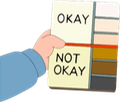
-Cambridge dictionary
Apparently it’s just… A belief system and not actually about how a state enforces itself? Doesn’t this make every “vote blue no matter who!” lib an authoritarian? Abolish bedtimes I guess, since that is a belief children should obey the authority of their parents. Abolish homework as well.
-Merriam-Webster
The second definition is perhaps the best one available, though it is kind of yank-brained. The UK doesn’t have a constitution. It is authoritarian, yes, but not because of a lack of a legal document. It also decries the concentration of power, so that would be every centralised state apparatus.
And what does “constitutionally representative to the people” even mean? Does this not also require the constitution continually is changed as the will of the people changes? I agree that would be a good thing, but that would mean most governments are authoritarian, considering how many have constitutions with bits that leave them excempt from responsibility to “the people”.
Finally this definition doesn’t actually care about what the government does, just that it is not constitutionally beholden to "the will of the people
Removed by mod
Becoming? So it wasn’t authoritarian when black people were routinely beaten by police for drinking from the wrong fountain or looking at a white person wrong?
Or perhaps the genocidal occupation of the Philippines. Not authoritarian?
Removed by mod
The early days of the republic when the entire economy was based on native genocide and all the work was done by millions of enslaved people weremovedd, tortured and sold like animals?
I’m not trying to be Mr Gotcha here, I’m trying to communicate that there is literally no good past we can turn to. It’s always been like this, just lately the mask has come off
Every time liberals try to define “authoritarian” they just end up at
Flakesbonglers evergreen meme
Removed by mod