

[Op-ed by Paul Mwirigi, a Kenya-based writer specializing in African affairs. He holds a degree from the University of East Africa and has developed a strong foundation in building scalable and efficient digital solutions to issues around the continent.]
[…]
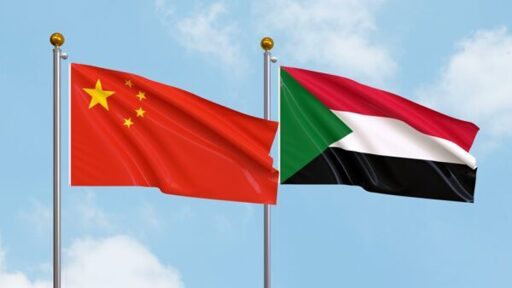
China formally entered into diplomatic and economic relations with Sudan in 1996, when state-owned CNPC opened Block 6, an oil venture in partnership with Sudan’s Ministry of Energy. The Petrodar pipeline, a 1,500-kilometer consortium led by CNPC, Sinopec, and Malaysia’s Petronas, carried South Sudanese crude from the Melut Basin north through Sudan to Port Sudan on the Red Sea. China [was] also providing military equipment to Sudan for increased security for production. This inadvertently led to the Sudanese bombing of southern militias, clearing the area for more oil extraction. China continued to invest roughly $3 billion into oil extraction, yet Amnesty International found that almost no revenue helped to fund further economic, social, or cultural development.
[…]
[China’s] recent loan forgiveness to [Sudan’s] Burhans’ regime, which is illegitimate and undemocratic, was paired with Chargé d’Affaires Xu Jian’s statements that China would continue $30 million of grant-funded projects in Sudan and aim to resume CNPC operations within the country. China’s trust shown to the SAF comes with its public calls for peace. The deals, however, expose that it is benefiting from the weak regime; it can control assets more easily and establish long-term deals with incredibly one-sided terms. China has made substantial claims for peace, voting for an immediate cessation of hostilities with the November 2024 UN Security Council resolution. Beijing has sent envoys, joined multilateral formats, and stayed clear of the direct military involvement that has drawn Western sanctions onto Russia and Iran. But while this rhetoric calls for peace, the position effectively stays real intervention and allows for more time to finalize deals with the current junta.
[…]
China needs Burhan to maintain power, since the legitimacy of their contracts rely on personal relationships with him and his leadership. A civilian government would likely renegotiate Chinese arrangements. In fact, the Eastern Sudan Advisory Council and the Beja Congress called for a freeze on any deal-making with China. Eastern Sudan is mineral-rich and chronically poor, and its residents rarely receive any of the resource wealth that flows outward. They face water shortages, failing infrastructure, and international isolation while suffering from the effects of the civil war.
[…]
China is sequencing [Sudan’s] debt, offering small tokens of grace through debt forgiveness and then locking in longer-term and fully extractivist deals. The Eastern Sudan Advisory Council’s warning should be taken seriously beyond Sudan as well. Agreements concluded under these conditions carry real legal exposure once the war ends, and the communities whose resources are being contracted away extend into South Sudan and beyond.
[…]